
FIND IT · CHECK IT · KEEP THE OPTIONS OPEN
LitBuy Spreadsheet: find first, check before you pay
Browse product listings and learn the route from seller to warehouse to your door. Before ordering, check what must stay intact if you later ask the seller for a return.
Open the 16-category return checkerHow buying with LitBuy works
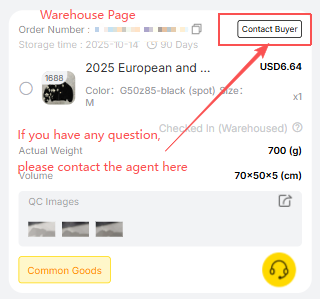
Find your category, then read its conditions
These are category examples, not verified stock or recommendations. The full Spreadsheet holds all 16 categories and the interactive return cards.
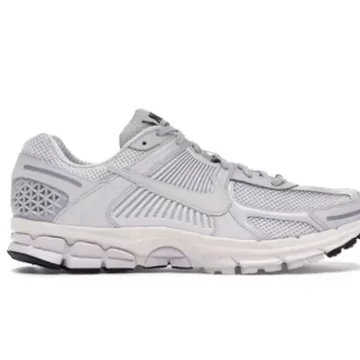
Sneakers
Browse listings →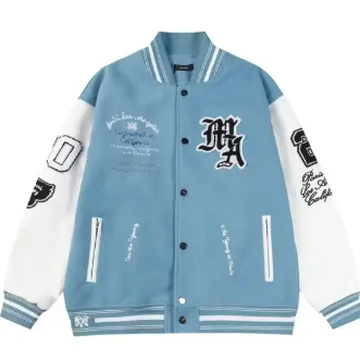
Outerwear
Browse listings →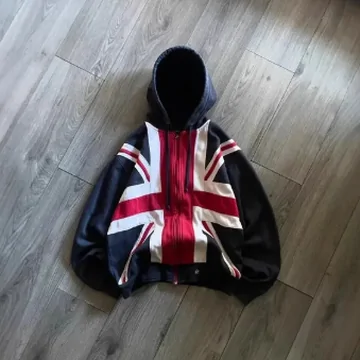
Hoodies
Browse listings →
T-shirts
Browse listings →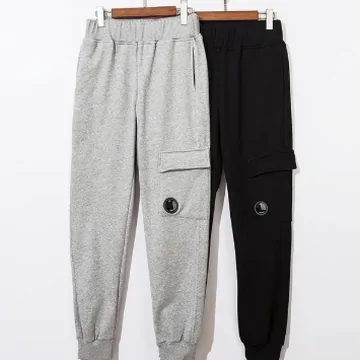
Sweatpants
Browse listings →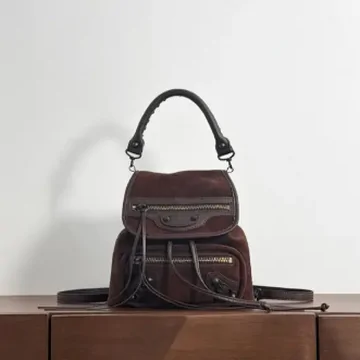
Bags
Browse listings →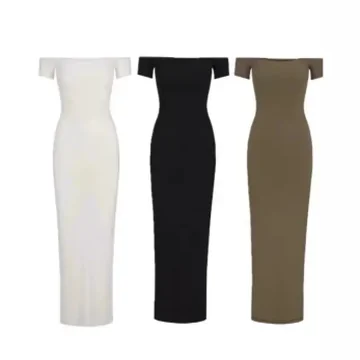
Womenswear · Search results
Browse listings →
Watches
Browse listings →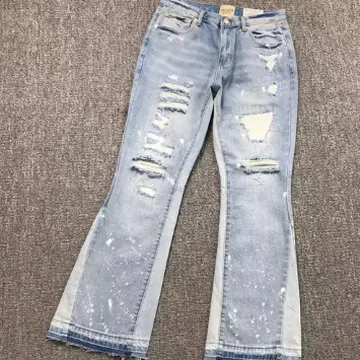
Jeans
Browse listings →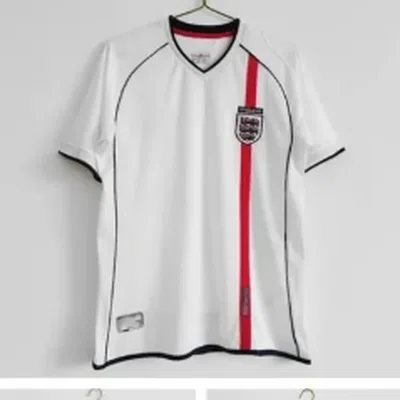
Sports jerseys
Browse listings →
Hats
Browse listings →
Belts
Browse listings →
Eyewear
Browse listings →
Perfume
Browse listings →
Jewellery
Browse listings →
Electronics
Browse listings →
All 16 categories + condition checker How the flip cards work
LitBuy is the buying agent
You provide a Chinese seller link and the exact variant. LitBuy purchases the goods, receives them in Xiamen, provides QC photos, then arranges international shipping.
There are two main payments: items plus domestic postage first; international shipping after you choose the parcel and route. Zero purchasing service fee does not mean zero delivery or other charges.
Understand the agent, payments and shipping →This Spreadsheet is the starting point
A category catalogue helps you find a listing; it does not confirm stock, fit, authenticity or a seller’s return approval. Open the current seller page before copying its link.
Our category checker shows the relevant return conditions. A plain card still requires an eligible item, seller agreement and an on-time request.
Check the listing and seller before checkout →One order, four decisions
- Before you pay
Check the size chart, seller terms and whether the item is custom-made. Normal supported links and Fill&Buy do not have identical return conditions.
Seller and listing checks - When it is stored
Review the variant, quantity and visible condition. Ask for a seal or tag photo without asking anyone to break it.
Read the QC photos - Before packing
Resolve a return first. Removing original packaging or a shoebox can end the no-reason return option.
Excluded items and packing choices - When you ship
Compare eligible routes using packed size, weight and destination. Keep the parcel and tracking records until delivery is resolved.
The complete illustrated buying tutorial
Check the stored time, then the seller’s conditions
LitBuy’s five-day process counts 120 hours from the next full hour after Warehoused status. A 14:20 stamp starts counting at 15:00. The time limit is only one condition; it is not automatic approval.
Read the clock example and exceptions →Keep the original condition
Tags, seals, boxes and accessories can matter differently by category. A custom item, a used listing and a standard unworn shirt do not have the same return route.
Read the actual intact standards →Budget the return too
A customer-reason return can cost both domestic postage legs plus the service fee. Seller-error and quality cases follow different rules.
Costs, refunds and conflicting wording →Why use an agent—and when to pause?
Buying assistance, warehouse photos and combined shipping may help with sellers who do not deliver directly to you. Compare the final cost, return conditions and routes available for your actual goods.
If you need hands-on testing before deciding, a longer return window or a confirmed claim benefit, ask before committing. Warehouse photos have limits.
Compare the practical trade-offs →Keep the rules in context
This independent guide uses official material retained on 16 October 2026. Screenshots show historical interfaces. Before paying, confirm changing prices, promotions and account-specific terms on LitBuy.
Questions, support and glossary
Dated notices and community channels
Source method and affiliate disclosure